
Kitchen Sink Leak Repair in Toronto: How to Diagnose a Leak Under Your Sink


A leak under your kitchen sink is easy to blame on the P-trap, but that's not always where the problem starts. If water only appears when the sink is full or you notice drips near the top of the drain assembly, the basket strainer could be the real source of the leak.
For homeowners in Toronto and the GTA, older kitchen plumbing often includes metal basket strainers that can corrode over time. Knowing how to identify the actual leak source can help prevent unnecessary repairs and water damage.
Why the Basket Strainer Matters for Leak Repairs
The basket strainer is the drain fitting that connects the sink basin to the plumbing underneath. It relies on seals, a locking nut, and proper installation to keep water inside the drain system. As the metal ages, corrosion can weaken the locknut or other components, allowing water to escape whenever the sink is filled or draining.
Because the leak appears near the drain piping, it's common to suspect the P-trap first.
A Real HANDLD Repair in Toronto
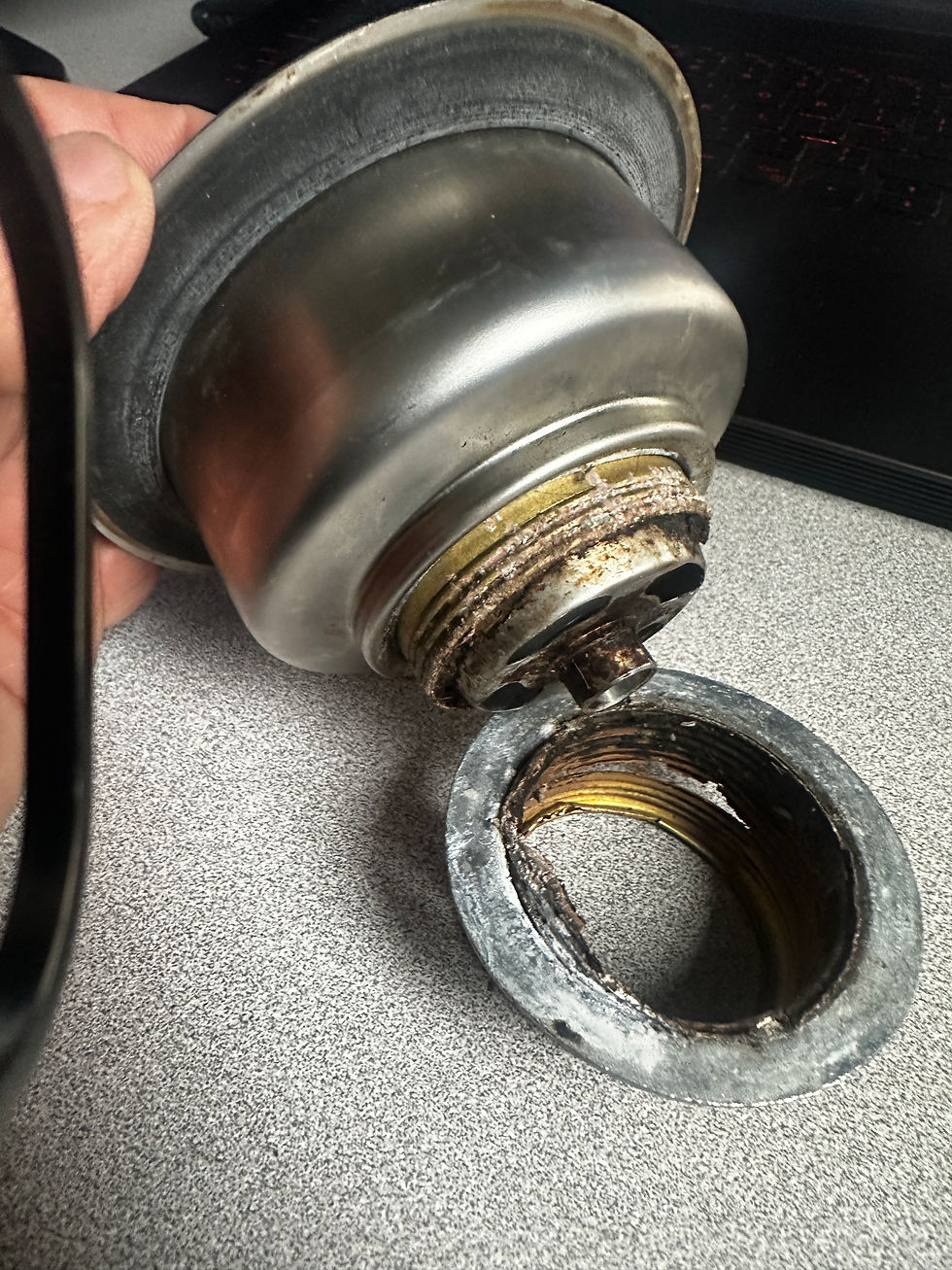
A homeowner contacted HANDLD after noticing a significant leak under the kitchen sink. At first glance, the P-trap appeared to be the likely culprit.
During diagnosis, the P-trap and tailpiece were replaced. However, testing showed the leak was still present. Further inspection confirmed that the kitchen sink basket strainer had failed. The brass locknut had corroded and split, allowing water to escape from the sink outlet.
The repair included installing a new basket strainer with fresh sealing material, reconnecting the dishwasher branch, and verifying that all connections remained dry after filling and draining the sink.
How to Tell if the Leak Is the Basket Strainer or the P-Trap
A simple test can often narrow down the source:
Dry all visible plumbing under the sink.
Place paper towels around each plumbing joint and directly beneath the basket strainer outlet.
Plug the sink and fill it with water.
Release the water while watching which paper towel becomes wet first.
If water appears near the top of the tailpiece or only when the sink is full, the basket strainer is often the source rather than the P-trap.
Signs of a Failing Basket Strainer
Water dripping from the top of the drain assembly.
Leaks that occur only when the sink is filled.
Green or white corrosion around the metal locknut.
A cracked or deteriorated metal locking ring.
Recurring leaks even after replacing the P-trap.
Helpful Tips for Homeowners
When replacing a basket strainer, follow the manufacturer's installation instructions. Many metal strainers are designed for plumber's putty, while some plastic models require a rubber gasket instead.
Avoid over-tightening metal-to-plastic plumbing connections, as excessive force can damage fittings or create new leaks.
If you're updating older under-sink plumbing, an ABS or PVC P-trap with a cleanout can make future maintenance easier. Make sure any dishwasher branch connection is securely clamped.
After repairing a leak, inspect the cabinet base. If there are signs of water staining or swelling, dry the area thoroughly and consider adding a protective tray or mat to help catch any future drips.
Most accessible basket strainer replacements take about one to two hours, although corrosion or seized hardware can increase the time required.
Frequently Asked Questions
How can I tell if my kitchen sink leak is from the P-trap or the basket strainer?
Dry the area, place paper towels around the P-trap joints and directly under the strainer outlet, then fill the sink. If water appears at the top of the vertical tailpiece or only when the sink is full, the basket strainer is likely the source.
Should I use plumber's putty or silicone when installing a basket strainer?
Most metal strainers are designed for plumber's putty, while some plastic versions require a rubber gasket. Follow the manufacturer's instructions.
Can tightening the nut stop a basket strainer leak?
If the locknut or flange is corroded or cracked, tightening it will not provide a reliable repair and may worsen the damage. Replacement is typically the correct solution.
Is ABS or PVC compatible with a metal sink strainer?
Yes. The proper tailpiece washer and slip-nut connections allow the metal strainer to connect to ABS or PVC drain piping.
How long does a basket strainer replacement take?
For an accessible sink, the repair typically takes one to two hours. Heavy corrosion or difficult access can extend the timeline.
If you have a kitchen sink leak anywhere in Toronto or the GTA, HANDLD can diagnose the source, explain the repair, and complete the work with careful attention to long-term reliability.


Comments