
Under-mount Sink Reattachment Toronto: What to Do When a Sink Drops


When an undermount kitchen sink separates from the countertop, stop using it until the basin is properly supported and resecured. A dropped sink can put stress on drain and water connections, while the open joint can allow water and debris into the cabinet area.
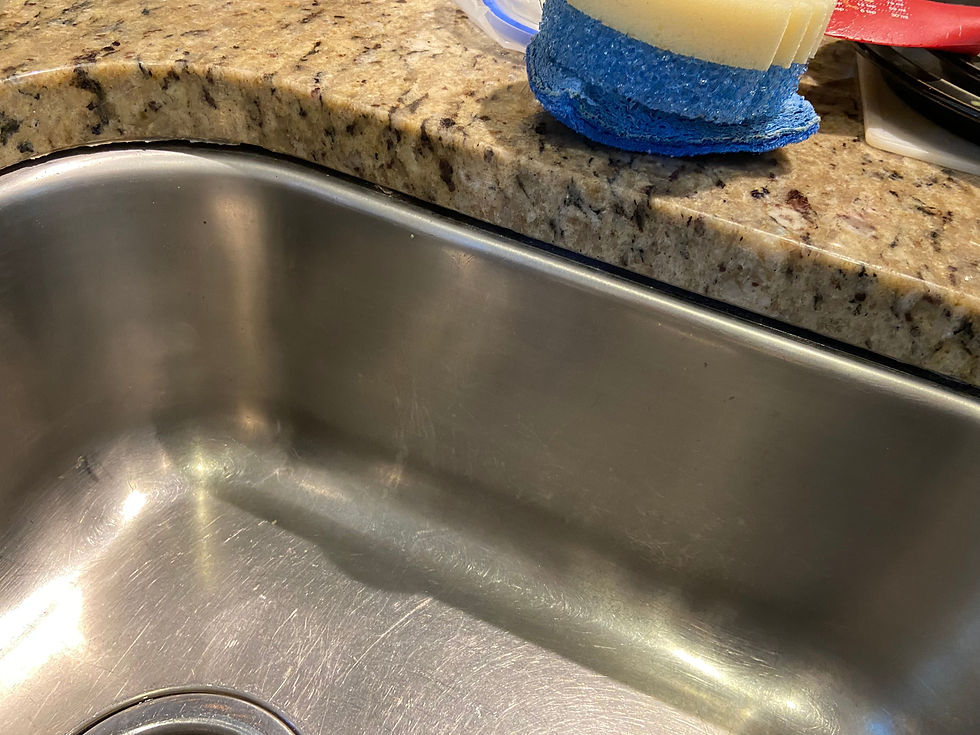
A recent HANDLD job involved an undermount stainless-steel kitchen sink that had partially detached from the underside of its countertop. The old adhesive or caulk along the rim had failed, a visible gap had opened, and the basin had dropped within the cabinet opening. HANDLD reattached the sink, and the completed repair showed the basin seated evenly again with the perimeter gap closed.
What to Do When an Undermount Sink Falls
If your undermount sink falls or begins separating from the countertop, stop using it and support the basin from underneath. A stable temporary brace, such as an appropriately positioned 2x4 support, can help prevent further movement. Other temporary support methods may be possible, but whatever is used must be stable and must not damage the sink, cabinet or plumbing.
Do not run water through the sink while it is detached. Movement of the basin can place additional strain on the drain assembly, trap or other plumbing connections.
If the sink has moved significantly or plumbing connections look strained, leaking or damaged, those components should also be assessed. Plumbing damage or reconfiguration may require a plumber in addition to sink reattachment work.
Why an Undermount Sink Can Separate From a Countertop
Unlike a drop-in sink with a rim resting on top of the counter, an undermount basin is suspended below the countertop. Its installation therefore depends on an appropriate combination of bonding and support.
Potential reasons for separation include deteriorated or insufficient adhesive or sealant, poor original surface preparation, and missing or loose support hardware. Moisture around the joint and substantial loads in the basin can also contribute to problems over time.
In the HANDLD job described here, the visible condition confirmed that the existing adhesive or caulk had deteriorated and the sink had separated from the underside of the countertop. The available job documentation does not establish the original installation method or whether clips, rails or brackets were present, so those details cannot be identified as the cause.
What a Proper Undermount Sink Reattachment Should Address
A lasting repair involves more than applying fresh silicone over the existing joint. As general professional guidance, failed adhesive should be removed and the mating surfaces should be thoroughly cleaned, degreased and dried before rebonding. The basin needs to be held securely in its correct position while the new sealant cures.
Mechanical support through suitable clips, rails or brackets should be considered where the countertop, cabinet and installation allow it. A continuous bead of 100% silicone intended for kitchen or bathroom use is commonly used to seal the perimeter. The appropriate support system and bonding approach depend on the sink, countertop and existing installation.
For this particular HANDLD repair, the confirmed result was a reattached sink with the basin evenly seated and the visible perimeter gap closed. The specific adhesive, sealant, hardware and preparation steps used were not recorded, so they should not be inferred from the finished appearance.
Why the Seal Around the Sink Matters
The joint does more than improve the appearance of the sink. An open perimeter can collect water and debris and allow moisture into areas that are difficult to clean or dry. Closing the joint also restores the clean transition expected between an undermount basin and the countertop.
The more urgent concern with a sink that has actually dropped, however, is structural support. Caulking an exposed gap without correcting the basin's position and support does not address the underlying separation.
After an Undermount Sink Repair
Follow the cure time specified for the product used before returning the sink to normal service. As general guidance, many repairs require roughly 24 hours without loading or filling the basin, but the actual requirement depends on the product and conditions. The installer should provide the applicable instructions.
After the repair, inspect the drain trap and water connections for signs of stress or leakage. Keeping the rim area dry after heavy use can also help maintain the sealed joint. Periodically look underneath the countertop for new gaps, movement or deterioration rather than waiting for the basin to visibly drop again.
For condo repairs in Toronto, homeowners may also need to coordinate building access or any required water shut-off with property management. Requirements vary by building, so confirm them before the appointment when plumbing work may be involved.
When to Call a Handyman for a Dropped Kitchen Sink
A sink that is visibly separating, sitting lower than before or developing a widening gap beneath the countertop should be addressed promptly. Continuing to load or use a partially detached basin can increase movement and may stress connected plumbing.
An experienced handyman can assess whether the sink can be reattached and resealed and whether additional support is appropriate. If the problem includes damaged plumbing, leaking supply connections or work beyond the sink attachment itself, a plumber may also be needed.
Frequently Asked Questions
Why do undermount sinks fall from quartz or stone countertops?
Possible causes include inadequate original surface preparation, deterioration or insufficient bonding material, loose or missing support hardware, ongoing moisture at the joint, or heavy loading of the basin. The actual cause should be assessed rather than assumed from the countertop material alone.
Can I fix a dropped sink with just more silicone?
Applying silicone over a dirty or failing joint is not a sound repair. In general, old material needs to be removed, bonding surfaces cleaned and dried, and the basin supported in its correct position before new sealant is applied. Suitable mechanical supports should also be considered where the installation allows them.
How long before I can use a reattached undermount sink?
Cure requirements depend on the specific product and indoor conditions. A common general guideline is to avoid normal use, filling the basin or adding significant weight for about 24 hours, but always follow the instructions for the sealant or adhesive actually used.
Is a dropped undermount sink a plumber or handyman job?
A handyman with appropriate sink-repair experience can often handle reattachment and resealing. If the sink's movement has damaged or strained plumbing, or plumbing needs to be reconfigured, a plumber may also be required.
How can I reduce the chance of the sink dropping again?
Avoid excessive loads, keep the perimeter reasonably dry, and periodically inspect the underside of the rim for gaps or movement. Appropriate clips, rails or brackets can provide mechanical support where compatible with the installation. Address early signs of separation rather than covering a growing gap with new caulk.
Need Undermount Sink Reattachment in Toronto or the GTA?
A partially detached kitchen sink should not be treated as a cosmetic caulking issue. HANDLD provides professional handyman repairs in Toronto and the GTA, including assessment, reattachment and resealing of undermount sinks where appropriate.
If your kitchen sink has dropped or separated from the countertop, contact HANDLD to arrange an assessment and repair.
If your undermount kitchen sink has dropped or separated from the countertop, contact HANDLD to arrange an assessment and repair in Toronto or the GTA.


Comments