
Under-mount Sink Reattachment: Fixing a Sink Detached From Granite Countertop


If your under-mount sink is pulling away from a granite countertop, even a small visible gap deserves attention. Separation means the sink is no longer sitting tightly against the stone, and the failed seam can allow water and debris into the space around the rim.
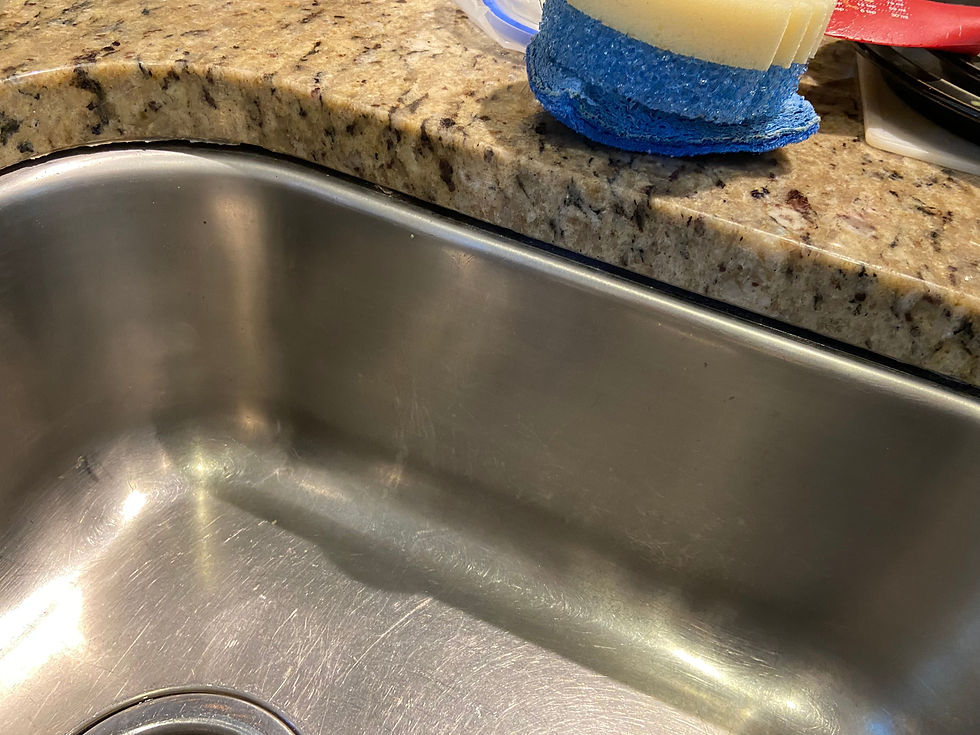
HANDLD recently completed an undermount sink reattachment involving a stainless-steel double-bowl sink that had separated from the underside of a granite countertop. The failed material around the rim was removed, the sink was realigned and reattached, and a continuous waterproof seal was applied around the perimeter. The result was a sink sitting flush and gap-free against the granite again.
Why an Under-mount Sink Can Separate From Granite
Unlike a drop-in sink with a rim resting on top of the counter, an undermount sink is installed beneath the countertop. Its attachment and support system therefore matters: the sink needs to remain securely positioned while the perimeter seam keeps water out.
Common reasons for separation can include deterioration of adhesive or caulk, loose or inadequate mechanical supports, vibration, moisture around the rim, or loads placed on the sink. The appropriate repair depends on why the sink has moved and how it was originally supported.
On this completed HANDLD job, the confirmed issue was failure of the bond between the sink flange and the granite. Before the repair, there was a visible, uneven gap between the stainless-steel rim and the stone, with deteriorated material along the seam. The granite edge appeared intact, and the existing drain plumbing remained visibly connected.
What Under-mount Sink Reattachment Involves
A lasting repair requires more than covering a visible gap with new caulk. If the sink itself has dropped, it first needs to be returned to the correct position and securely reattached.
For this HANDLD repair, failed material around the rim was removed before the double-bowl sink was realigned and reattached to the granite. A continuous waterproof seal was then applied around the perimeter. Afterward, both bowls sat flush and even against the stone without the previous visible gap.
In general, professional undermount sink repair may involve supporting the sink while the attachment is restored, using an appropriate structural attachment method and finishing the perimeter with stone-compatible silicone. The exact support system and products should be selected for the countertop, sink and existing installation. Because the job record does not identify the specific adhesive or mechanical hardware used on this project, those details are not attributed to the completed repair.
Why Simply Resealing a Dropped Sink Is Not Enough
There is an important difference between a deteriorated seal and a sink that has physically separated from the countertop. If the sink remains securely supported and only the perimeter seal has deteriorated, resealing may address the seam. If the bowl moves or has dropped away from the stone, applying silicone over the gap does not address the underlying attachment problem.
That distinction is useful for homeowners inspecting a kitchen sink. Look underneath and along the countertop edge for a widening gap, an uneven rim or movement when gentle upward pressure is applied to the bowl. Darkening or deterioration along the seam can also indicate that the seal needs attention.
Early repair matters because an open perimeter can allow moisture into the cabinet area below. Correcting separation before it becomes more severe can help reduce the risk of water-related cabinet damage.
How to Check Your Under-mount Sink
A simple inspection every 6–12 months can help identify changes early. Check the entire seam where the sink meets the underside of the countertop. Watch for visible gaps, deteriorating caulk, dark discoloration or movement of the bowl relative to the stone.
Avoid placing unnecessary heavy loads on sink edges. With double-bowl sinks, a sink grid can also help distribute loads inside the bowl. Where accessible, attachment hardware can be checked periodically for looseness, but homeowners should avoid adjusting support components unless they understand how the sink is secured.
After a sink is resealed, follow the sealant manufacturer's cure requirements before exposing the seam to significant water. A common professional recommendation is to keep the area clean and dry during curing, but the exact cure time depends on the product used.
When to Call for Under-mount Sink Repair in Toronto
If you can see the sink pulling away from the granite, the bowl moves, or the seam repeatedly opens after being caulked, the attachment should be assessed rather than simply covered with another bead of sealant.
HANDLD provides handyman repairs and home maintenance across Toronto and the GTA, including kitchen repairs such as undermount sink reattachment and resealing. A professional assessment can determine what needs to be reset or repaired without assuming that every separated sink has the same cause.
Frequently Asked Questions
What causes an under-mount sink to detach from granite?
Common causes include deterioration of the adhesive or caulk, loose or insufficient support hardware, vibration, persistent moisture around the rim and heavy loads. The exact cause should be confirmed by inspecting the sink and its existing attachment system.
Can an under-mount sink be reset without removing the countertop?
Often, yes. Depending on the installation, a professional can support the sink from below, remove failed material, realign and secure the sink, and reseal the perimeter without removing the countertop. The appropriate method depends on the existing installation and condition of the countertop and sink.
How long does under-mount sink reattachment take?
The time varies with the sink, countertop, attachment system and condition of the existing installation. Adhesives and sealants can also require additional curing time before the sink returns to normal use. HANDLD recommends following the specific product requirements used for the repair rather than relying on a universal timeframe.
Will the plumbing need to be removed?
It depends on the installation. Plumbing may sometimes remain connected, while traps, strainers or other connections may need to be loosened or adjusted so the sink can be properly realigned. Any disturbed connections should be checked for leaks afterward. On the HANDLD job described here, the plumbing was visibly connected before the repair, but the job information does not confirm whether plumbing adjustments were required during the work.
What sealant should be used around an under-mount sink on granite?
A 100% silicone product that is explicitly compatible with natural stone is commonly appropriate for the perimeter seal. Product compatibility matters because unsuitable products can potentially discolor natural stone. The perimeter seal should not be treated as a substitute for the structural attachment needed to hold a detached sink in place.
Need Help With a Sink Separating From Granite?
A visible gap beneath a granite countertop is worth addressing before water finds its way into the cabinet below. HANDLD helps Toronto and GTA homeowners with undermount sink repairs, resealing and other practical home maintenance needs. If your sink has started to move or pull away from the countertop, contact HANDLD to have the issue assessed and repaired.
Have an under-mount sink pulling away from your countertop? Contact HANDLD to arrange an assessment and repair in Toronto or the GTA.


header.all-comments