
How to Anchor a Hallway Shelf to a Wall With Anti-Tip Straps

To anchor a hallway shelf or narrow cabinet to the wall, use furniture anti-tip straps that connect the upper part of the unit to secure wall attachment points. Fasten into wall studs where practical, or use anchors specifically suited to the wall construction and intended application. Follow the anti-tip hardware manufacturer's installation instructions, including the required number and placement of attachment points.
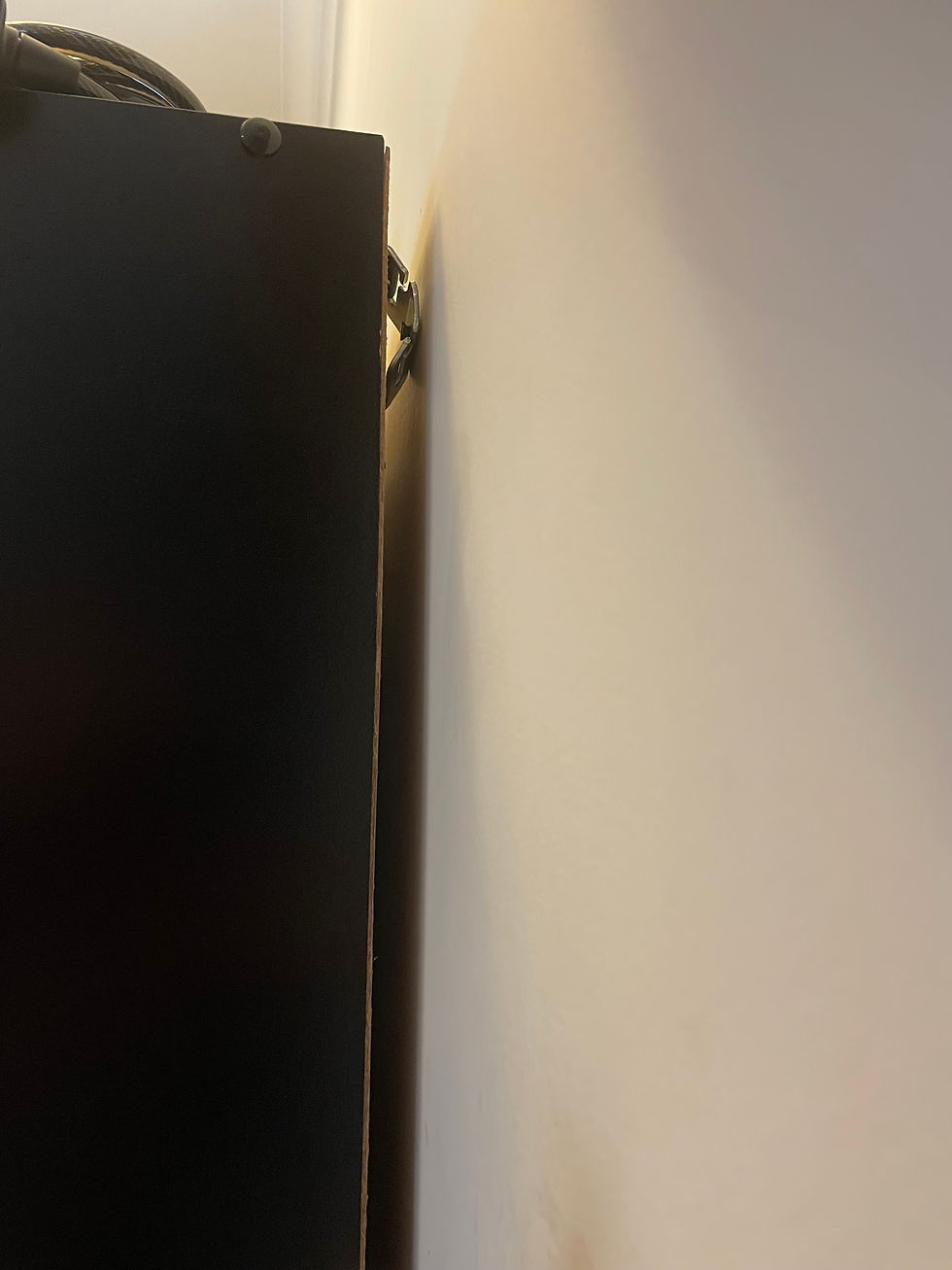
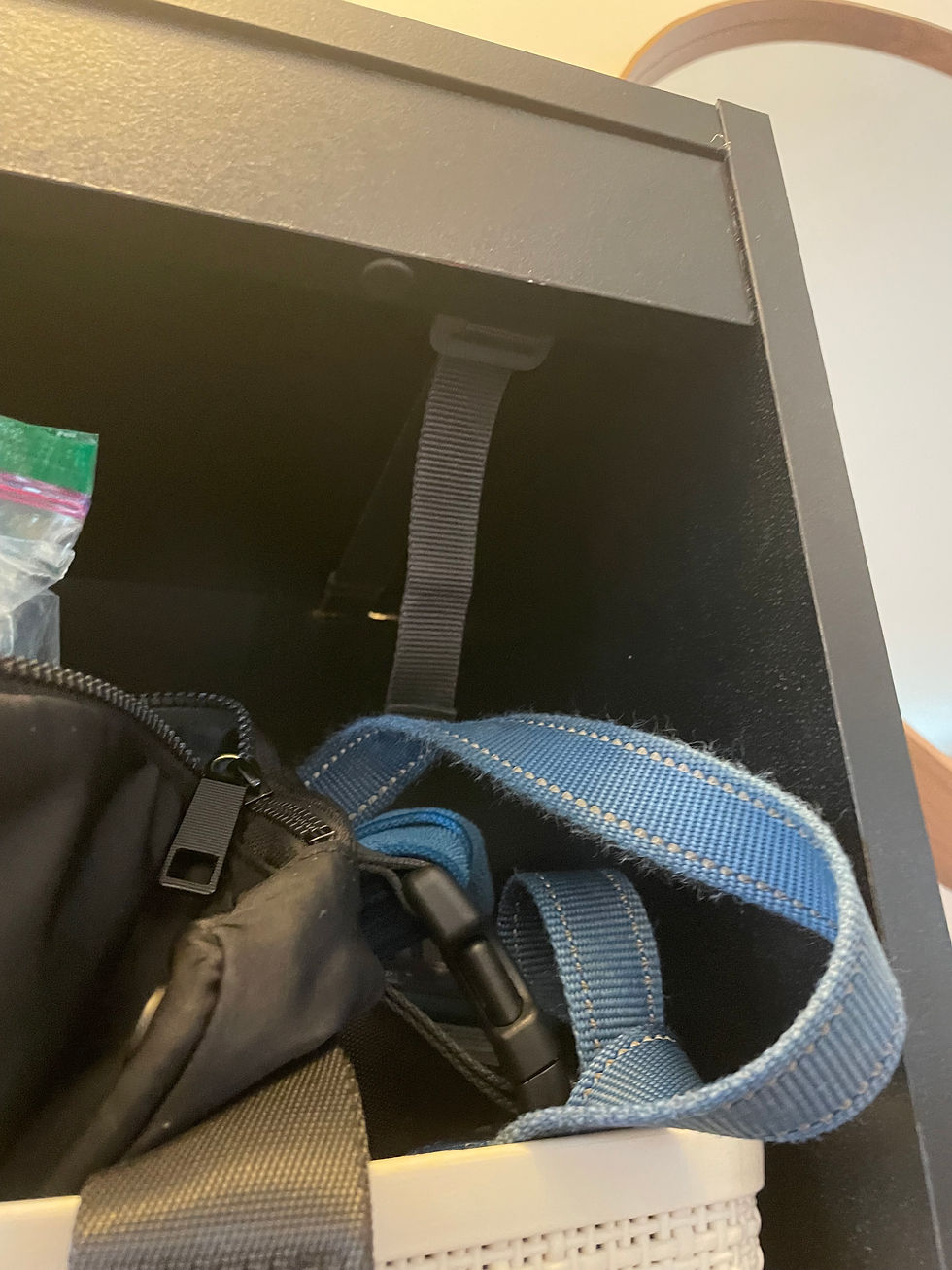
HANDLD recently secured an entryway shelving unit to the wall during a residential service visit. The homeowner already had straps for the installation. The completed work confirms that the shelf was secured, and the project photos show anti-tip hardware connecting the shelving unit to the wall.
How Anti-Tip Straps Keep Furniture From Tipping
A freestanding shelf or cabinet can become unstable when weight shifts forward. This can happen when someone pulls on the unit, opens a heavy drawer or places weight on an upper shelf.
Tall and narrow furniture deserves particular attention because its proportions can make it easier to tip forward.
Anti-tip straps connect the furniture to the wall, restricting forward movement. Many systems use a flexible strap between two mounting brackets: one attached to the furniture and the other secured to the wall.
Unlike a bracket designed to support a wall-mounted shelf, an anti-tip restraint is intended to help prevent freestanding furniture from overturning. The furniture continues to rest on the floor.
Anti-tip straps are a safety restraint, not a way to increase the furniture's weight capacity. The shelving unit must still be assembled properly, remain stable on the floor and be loaded within its intended limits.
A Real HANDLD Project: Securing an Entryway Shelving Unit
During a residential service visit in June 2026, HANDLD completed several home maintenance tasks, including securing a hallway shelving unit to the wall.
The homeowner had requested that the entryway unit be anchored using straps they already had.
HANDLD completed the wall-securing task. The project photos show a flexible anti-tip strap and metal mounting brackets connecting the upper interior portion of the shelving unit to the wall.
This arrangement illustrates how anti-tip hardware can be positioned near the top of furniture while remaining relatively discreet.
The practical takeaway is that a freestanding shelving unit does not necessarily need to be permanently built into the wall to receive tip-over protection. A compatible furniture restraint system can provide a connection between the unit and suitable wall attachment points.
The quality of that connection depends on the hardware, the wall structure and how securely both ends are fastened.
How to Anchor a Hallway Shelf With Anti-Tip Straps
1. Check the shelving unit and anti-tip hardware
Before drilling, confirm that the straps are intended for furniture tip-over prevention and are suitable for the shelving unit.
Check the manufacturer's instructions for the required attachment points, fasteners and installation configuration.
Inspect the furniture for loose joints, damaged panels or unstable feet. A loose or damaged cabinet may need attention before anchoring.
Also check whether the furniture manufacturer specifies particular locations for attaching restraints. Not every panel is suitable for holding screws under tension.
2. Identify suitable wall attachment points
Locate the framing or determine the wall material before selecting fasteners.
Wood studs can provide a solid attachment point when the restraint hardware is compatible and the fasteners are properly installed.
If a stud does not line up with the proposed attachment location, the alternative depends on the wall construction and the restraint manufacturer's requirements.
For example, hollow drywall, masonry and other wall assemblies require different fastening approaches.
Do not assume that an ordinary plastic drywall plug is suitable for furniture tip-over protection. Choose a fastening system specifically appropriate for the wall and the forces involved.
Before drilling, assess the area for concealed electrical wiring, plumbing and other services. Use appropriate detection methods, and avoid drilling where hidden services cannot be ruled out safely.
3. Position the furniture and mounting brackets
Place the shelving unit in its intended position against the wall.
Anti-tip restraints are commonly attached toward the upper rear portion of furniture because this location helps resist forward rotation.
The exact position depends on the furniture's construction and the restraint system's instructions.
Mark the attachment points only after confirming that the wall locations and furniture panels are suitable.
Avoid attaching screws to thin backing panels or weak sections of particleboard unless the furniture and hardware instructions specifically permit that arrangement.
4. Secure the brackets and connect the straps
Install the furniture-side and wall-side brackets using compatible fasteners and the manufacturer's specified method.
Connect the straps and adjust them according to the product instructions so they can restrain forward movement.
The required number of straps depends on the furniture and the restraint system. Some products use paired restraints, while others have different configurations. Follow the manufacturer's requirements rather than assuming one strap is sufficient for every cabinet.
Ensure the restraint does not interfere with doors, drawers or other moving parts.
5. Check the completed installation
Once the restraint is connected, inspect the brackets, fasteners and strap connections for obvious looseness or damage.
Confirm that the furniture remains properly supported on the floor and that the restraints are connected as intended.
Do not attempt to prove the installation by pulling the cabinet toward you or applying a large tipping force. Such testing can damage the furniture or fasteners and create an injury risk.
If the unit moves unexpectedly, the attachment points appear weak or the hardware does not fit properly, have the installation assessed before relying on it.
Should You Anchor Furniture Into Studs or Use Drywall Anchors?
Stud attachment is generally preferable where the hardware and wall construction allow it. However, the correct fastening method depends on the specific restraint system.
A screw driven only into drywall is not equivalent to a screw secured into suitable framing.
Where direct stud attachment is unavailable, an appropriately rated fastening system may be an option if it is approved for the application and wall material.
Anchor ratings alone do not tell the whole story. The wall's condition, anchor installation, furniture attachment point and direction of force all affect the connection.
For masonry walls, use hardware designed for the particular masonry material. Fasteners suitable for solid concrete may not be appropriate for hollow block or other substrates.
Avoid relying on adhesive-only strips as a substitute for properly installed mechanical anti-tip restraints.
How to Keep an Anchored Shelf Safer Over Time
Wall anchoring is only one part of furniture safety.
Keep heavier belongings on lower shelves to reduce the tendency of the unit to tip. Avoid overloading upper shelves, and discourage children from climbing or pulling on furniture.
Periodically inspect the anti-tip straps and mounting brackets for looseness, wear or damage. Check them particularly after moving the furniture, rearranging a room or disturbing the attachment points.
If a strap becomes damaged or a mounting screw loosens, address the problem before relying on the restraint again.
Furniture should also be rechecked whenever it is moved to a different wall. An anchor suitable for one wall may not be appropriate for another.
Frequently Asked Questions
Can I use anti-tip straps on a particleboard shelving unit?
Potentially, provided the furniture and restraint manufacturers permit the installation. Particleboard can be vulnerable to screw pull-out, particularly near edges or in thin panels. Use the specified attachment locations and compatible fasteners rather than assuming any panel will provide a secure connection.
Can I anchor a cabinet without drilling into the wall?
For furniture tip-over prevention, mechanical attachment to a suitable wall structure is generally the appropriate approach. Adhesive-only strips should not be treated as equivalent to a properly installed anti-tip restraint. If drilling is restricted, consider a different furniture arrangement or seek advice on an appropriate restraint system.
Do short cabinets need anti-tip straps?
Height is not the only consideration. Cabinet depth, weight distribution, drawers and accessibility to children can also affect tip-over risk. Check the furniture manufacturer's anchoring instructions, particularly for units with drawers or doors that can shift weight forward.
Can I reuse anti-tip straps after moving furniture?
Only if the straps, brackets and fasteners remain suitable and the manufacturer permits reuse. Moving furniture can damage hardware or change the required attachment locations. Inspect the components and use appropriate fasteners for the new wall rather than automatically reusing old wall anchors.
Need Help Securing a Hallway Shelf or Cabinet?
HANDLD helps homeowners across Toronto and the GTA with furniture anchoring and other home installation tasks. If you have a freestanding shelf, bookcase or narrow cabinet that needs to be secured, contact HANDLD to discuss the furniture, wall type and suitable anti-tip hardware.






Comments